By KUSHAL JEENA (UPI Correspondent)
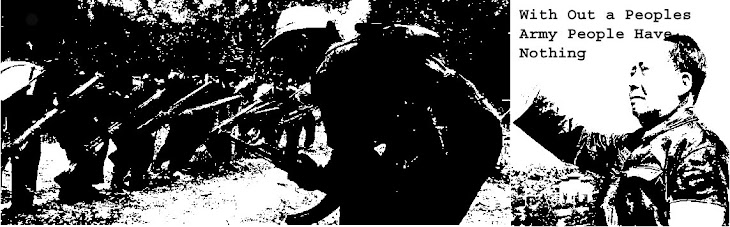
NEW DELHI, Jan. 23 (UPI) -- India's federal Interior Ministry has chided the administrations of Maoist-hit states accusing them of not being serious about redefining priorities, including the formulation of a strategy to quell the violent rebellion.
"As the country has been fighting with the Maoist problem, the fact remains that just two districts of a state accounted for 27 percent of the violence," an Interior Ministry report on internal security said. "It reflects the callousness on part of the authorities, as due seriousness and alignment of priorities, including formulation of counter-strategies and tactical planning has not been implemented to take on … (rebels) in their stronghold."
According to government figures, 186 Indian districts have been affected by Maoist violence; of these, two -- Dantewada and Bijapur in Chhattisgarh state -- accounted for 27 percent of violence reported last year. The report said 39 percent of all incidents related to Maoist violence was reported in Chhattisgarh.
The figures showed that security forces killed 129 Maoists from Jan. 1 to Nov. 30, 2007, in comparison to 239 rebel casualties in the same period in 2006. Instead of a decline, the number of security forces killed by Maoists surged from 133 in 2006 to 214 in 2007; 181 security personnel were killed in Chhattisgarh alone. Rebels killed 632 people, including police personnel from Jan. 1 to Nov. 30, 2007, as against 634 deaths in the same period in 2006.
During the last year, five Indian states -- Chhattisgarh, Jharkhand, Bihar, Andhra Pradesh and West Bengal -- accounted for more than 91 percent of the violence. Chhattisgarh and Jharkhand accounted for about 70 percent of the total violence.
Expressing concern over the casualties among security forces, the Interior Ministry said there was lack of vigil on the part of the police forces and rebels exhibited better planning and alertness in their operations.
"The twin figures of an upsurge in the attrition of the security forces at the hands of Maoists and simultaneous downward spiral in the casualties of the left-wing … (rebels) are matters of serious concern," said Interior Secretary Madhukar Gupta.
Last year Maoists targeted infrastructure such as electricity, communication lines and railways. At the behest of the federal government, various departments allocated huge financial assistance for various development projects being undertaken by government and nongovernmental agencies in poor and tribal areas, where Maoists have most support.
To keep people away from the developmental initiatives, Maoists targeted the projects and organized people's courts in affected areas to create an impression of a crippled administration.
Gupta last month told Maoist-affected states to consider these strategies while formulating counter-strategies against the rebels. The federal government also advised the states to take another look at their planning and formulate new priorities.
"Security-oriented action against the Maoists will not be enough and development and good governance will go a long way in countering the menace," said Ajai Sahani, executive director of the Institute of Conflict Management, a non-governmental think tank working on the terror-related issues.
Barring Andhra Pradesh state, where focused police action has resulted in a fall in Maoist violence, no other Maoist-affected state witnessed a decline in rebel violence.
According to the Interior Ministry, Maoists in Chhattisgarh and Jharkhand states have received training in handling sophisticated arms at a training center located in the Chhattisgarh-Andhra Pradesh border, which is described as a "red corridor."
Indian security and intelligence agencies say the rebels also have reach and hideouts in smaller cities in poor states and are contemplating strikes at installations owned by state or federal governments. The agencies have also warned state police to up the vigil at government buildings.
"Like forests provide safe hideouts to Naxalites in tribal areas, cities also provide them cover," Interior Minister Shivraj Patil said, referring to the Indian term for Maoists. "Taking advantage of this, they plan to target major installations in cities."
Thursday, January 24, 2008
Subscribe to:
Post Comments (Atom)


No comments:
Post a Comment