September 24, 2007: Mexico really is a country in the middle of a war. That's the real story behind recent statistical studies analyzing violence in Mexico which reported that "homicides, kidnapping, and arms trafficking" has increased this year within the country by 25 percent. Overall, "gangland" type executions have increased dramatically since 2001. It's not that these executions didn't take place in 2001 – around 110 were reported. However, for the January to June 2007 period, 1,588 took place.
September 23, 2007: It's ironic but understandable, but government reform in Mexico has weakened the country's domestic intelligence capacities. Reform began in the 1980s when the old Federal Security Directorate (FSD) was broken down and decentralized. The move was welcomed by many Mexicans because FSD had served as a personal police force for senior politicians. Mexico's Center for Research on National Security (CISEN), the current intelligence organization, has had its budget reduced since 2000 – a move designed to weaken the old PRI's hold on the intelligence service. Now Mexican officials complain that Mexican intelligence is too weak. It needs to be beefed up to fight the drug cartels and the emerging threat from the EPR and revived "old left" terror groups.
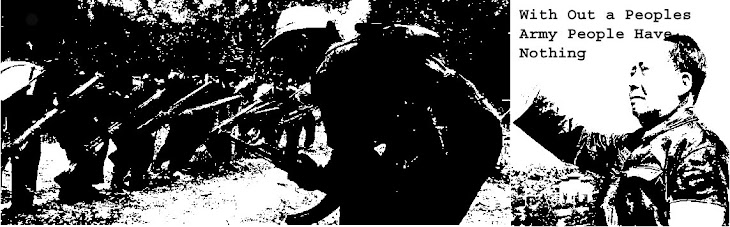
September 15, 2007: Mexican media claimed that a shadowy organization called "Mexican Movement Bolivariano" (MMB) helps finance, train and arm the Revolutionary Popular Army (EPR). The MMB is allegedly tied to Venezuela. Follow the dots and that leads to Hugo Chavez. Allegations like this are common in the media; a conspiracy involving big personalities (celebrities, leaders) thrills almost everyone and Mexico is especially fertile ground for political conspiracy theories. Current President Felipe Calderon made political hay out of contacts between PRD candidate Andres Manuel Lopez-Obrador and Chavez. Mexico is in the middle of a huge counter-insurgency operation -- attacking drug gangs and corruption simultaneously. The Mexican government has had some success in its battle. Sidetracking Calderon's Mexican government would be an attractive operation to a leftist caudillo like Chavez. In a recent statement following the September 10 bombing attack, the EPR called the Calderon government "illegitimate" and "fascist." The illegitimate accusation certainly echoes the claims of Lopez-Obrador and his supporters, but these are common propaganda themes from the left and can be read as a pitch for internal support in Mexico. The EPR's targeting has improved dramatically, but an alternative explanation for this improvement (and one far more likely) is that drug cartels are giving the EPR money and intelligence. The cartelistas certainly have contacts in PEMEX and could acquire very detailed information on Mexican pipelines. For a character like Chavez, riling Mexico is probably a bad move in the long term. Mexican intelligence can return the favor—they play dirty. Chavez isn't stupid, but he is bombastic and at times believes his own bombast. Chavez just might take the risk. That's why this is an interesting rumor, though currently it's a rumor without real facts.
Subscribe to:
Post Comments (Atom)


No comments:
Post a Comment